Lawnmower Service & Repairs Perth, WA
Give Us a Call on: +61 414507786


Engine Tune-Ups
An engine tune-up is a routine maintenance service that ensures your car’s engine runs smoothly and efficiently. It involves inspecting, cleaning, and replacing key engine components to optimize performance.
Regular engine maintenance prevents breakdowns, improves fuel economy, and ensures safety. A tune-up addresses issues caused by wear and tear over time.
Signs Your Vehicle Needs a Tune-Up
- Decreased fuel efficiency
- Difficulty starting the engine
- Unusual noises like knocking or ticking
- Rough idling or stalling
- Warning lights on the dashboard
2. Benefits of Engine Tune-Ups
Enhanced Fuel Efficiency
A tune-up restores key engine components, helping your car burn fuel more efficiently.
Improved Engine Performance
Replacing damaged parts ensures smoother acceleration and better power delivery.
Prolonged Engine Life
Regular maintenance reduces wear on engine components, extending the lifespan of your engine.
Reduced Emissions
A clean engine emits fewer pollutants, helping your vehicle meet emission standards.
3. Components of an Engine Tune-Up
Spark Plug Inspection and Replacement
Worn-out spark plugs can cause misfires. Replacing them ensures smooth combustion.
Checking and Replacing Air Filters
Clogged air filters restrict airflow, reducing performance. Replacing them improves fuel economy and power.
Fuel System Cleaning
Cleaning the fuel system removes carbon deposits that clog fuel injectors, restoring efficiency.
Inspection of Belts and Hoses
Inspecting and replacing worn belts and hoses prevents breakdowns and ensures smooth operation.
Battery Testing and Replacement
A weak battery can cause starting issues. Testing and replacing it avoids unexpected failures.
4. How Often Should You Get an Engine Tune-Up?
Manufacturer Recommendations
Follow your vehicle’s owner’s manual for specific guidelines, usually every 30,000 to 100,000 miles.
Factors Affecting Tune-Up Frequency
- Mileage: High-mileage vehicles need more frequent tune-ups.
- Driving Habits: Aggressive driving increases wear on the engine.
- Age of Vehicle: Older cars often require tune-ups more often.
5. Engine Tune-Up Process
Step-by-Step Overview
- Inspect and replace spark plugs.
- Replace or clean air and fuel filters.
- Check belts, hoses, and the battery.
- Perform fuel system cleaning.
- Test engine performance using diagnostics.
Tools and Equipment Used
- Socket wrench set
- Spark plug gap gauge
- Air filter wrench
- Diagnostic scanner
Role of Diagnostics
Diagnostic tools provide error codes, helping technicians pinpoint engine issues quickly.
6. DIY vs. Professional Engine Tune-Ups
Pros and Cons of DIY Tune-Ups
Pros: Cost-saving, basic car maintenance knowledge.
Cons: Requires tools, technical skills, and risks mistakes.
When to Seek Professional Help
For advanced features or complex problems, seek professional assistance. Experts can handle issues like fuel system cleaning effectively.
Cost Comparison
DIY: $50–$150 for tools and parts.
Professional: $150–$500 based on services and vehicle type.
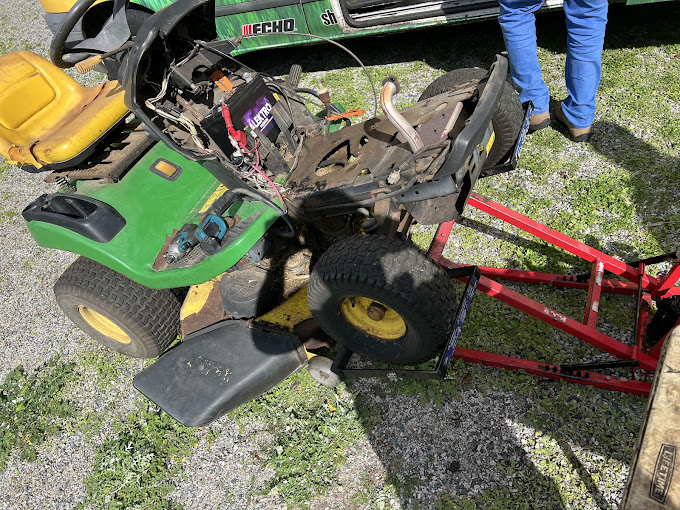
Our Work Gallery




7. Common Problems Detected During Tune-Ups
Worn-Out Spark Plugs
Old spark plugs cause misfires and reduce mileage. Replacing them resolves the issue.
Clogged Air or Fuel Filters
Blocked filters restrict airflow or fuel flow, affecting combustion. Replacing them ensures smooth operation.
Ignition System Issues
Faulty ignition coils prevent proper spark delivery. Diagnosing and replacing faulty parts fixes the problem.
Vacuum Leaks
Cracks in vacuum hoses can cause engine misfires or rough idling. Sealing leaks restores performance.
8. Tips for Maintaining Your Engine Between Tune-Ups
- Regular Oil Changes: Change oil every 5,000–7,500 miles to protect engine components.
- Monitor Fluid Levels: Check coolant, brake fluid, and transmission fluid regularly.
- Keep the Engine Clean: Remove dirt and debris from the engine bay to prevent overheating.
9. Why Choose Us for Your Engine Tune-Up?
Expertise and Experience
Our certified technicians handle all vehicle makes and models with expertise.
Use of High-Quality Parts
We use only high-quality parts to ensure durability and performance.
Transparent Pricing
We provide upfront pricing with no hidden fees.
10. Frequently Asked Questions (FAQs)
What is the average cost of an engine tune-up?
The cost ranges from $150 to $500, depending on the vehicle and services included.
How long does an engine tune-up take?
A typical tune-up takes 2–4 hours, depending on the complexity of the work.
What happens if I skip a tune-up?
Skipping tune-ups can lead to poor fuel efficiency, reduced engine performance, and costly repairs.
Can a tune-up fix rough idling?
Yes, replacing spark plugs, cleaning the fuel system, or fixing vacuum leaks can resolve rough idling.
Schedule Your Mobile Lawnmower Servicing Today
“Keep your lawn pristine with ease! Reach out to Lawnmower
Mobile Service for expert repairs in Perth. Call 0414507786 or email [email protected] to schedule today!”
Areas we serve
A
Alkimos | Applecross | Armadale | Ascot | Attadale | Atwell | Aveley
B
Balcatta | Baldivis | Balga | Ballajura | Banjup | Banksia Grove | Bassendean | Bayswater | Beckenham | Bedfordale | Beechboro | Beeliar | Bellevue | Belmont | Bentley | Bertram | Bibra Lake | Bicton | Booragoon | Brabham | Bull Creek | Bullsbrook | Burns Beach | Burswood | Butler | Byford
C
Canning Vale | Cannington | Carine | Carramar | Casuarina | Caversham | Champion Lakes | City of Melville | City of South Perth | Claremont | Clarkson | Cloverdale | Como | Coogee | Coolbellup | Cooloongup | Cottesloe | Craigie | Currambine